



04 Jan 2012 In the Absence of Evidence You Research and Speculate?and hope everyone agrees
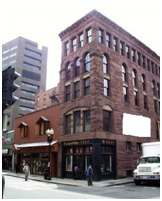
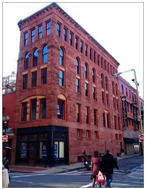 We do our best at HBI to reposition historic buildings based upon what physical evidence we can find on site and what documentary research will tell us. Unfortunately, the available record is all too often incomplete and we are simply left to speculate. In the absence of good photographs or written documentation we have to do our best to make design and construction decisions based on limited context, research, expert opinions and guess work.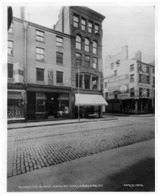
Speculative preservation design and development is more than just an academic debate; it carries financial and legal consequences for those engaged in historic rehabilitation. A number of Local, State and Federal agencies have approval authority over project design and treatments, and ideas about what might have been based on Local, State and Federal standards and criteria ? which may not always prioritize the same things. Further, when a building is exceptionally significant, opinions about these things can be particularly strident.
We have been running up against those tensions at the 1875Hayden Building project, HH Richardson?s only remaining commercial project in Boston On the first floor of the LaGrange street elevation is a large opening blocked by a reddish stucco panel that conceals some of the modern improvements from our preservation intervention in the late 1990?s.
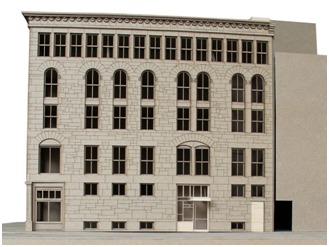 We have very clear pictures and evidence of the evolution of the Washington Street storefront and successfully fabricated an appropriate wooden storefront with the help of the North Bennet Street School shortly after we acquired the building.
  However, we have no such evidence for the LaGrange fa?ade. We know the current stucco panel was a commercial entrance and was likely a loading door,a design challenge as we are redeveloping the upper stories into residential units which require a more pedestrian scale entrance. Further, this is not a small opening and it presents a more industrial scale to the otherwise elegant Romanesque fenestration, both vertically and horizontally. Whatever we put in this location, it has to be based upon some rational relationship to the historic doorway?s original purpose, serve as a pedestrian entrance for the building?s new residential use, and be acceptable to all applicable authorities.